
Teeth Cleaning & Scaling in Pathirippala
Professional dental scaling and polishing in Pathirippala, Palakkad. At Complete Dental Clinic, we remove plaque, hardened tartar, and superficial stains to support healthier gums, fresh breath, and lasting oral hygiene in a comfortable setting.
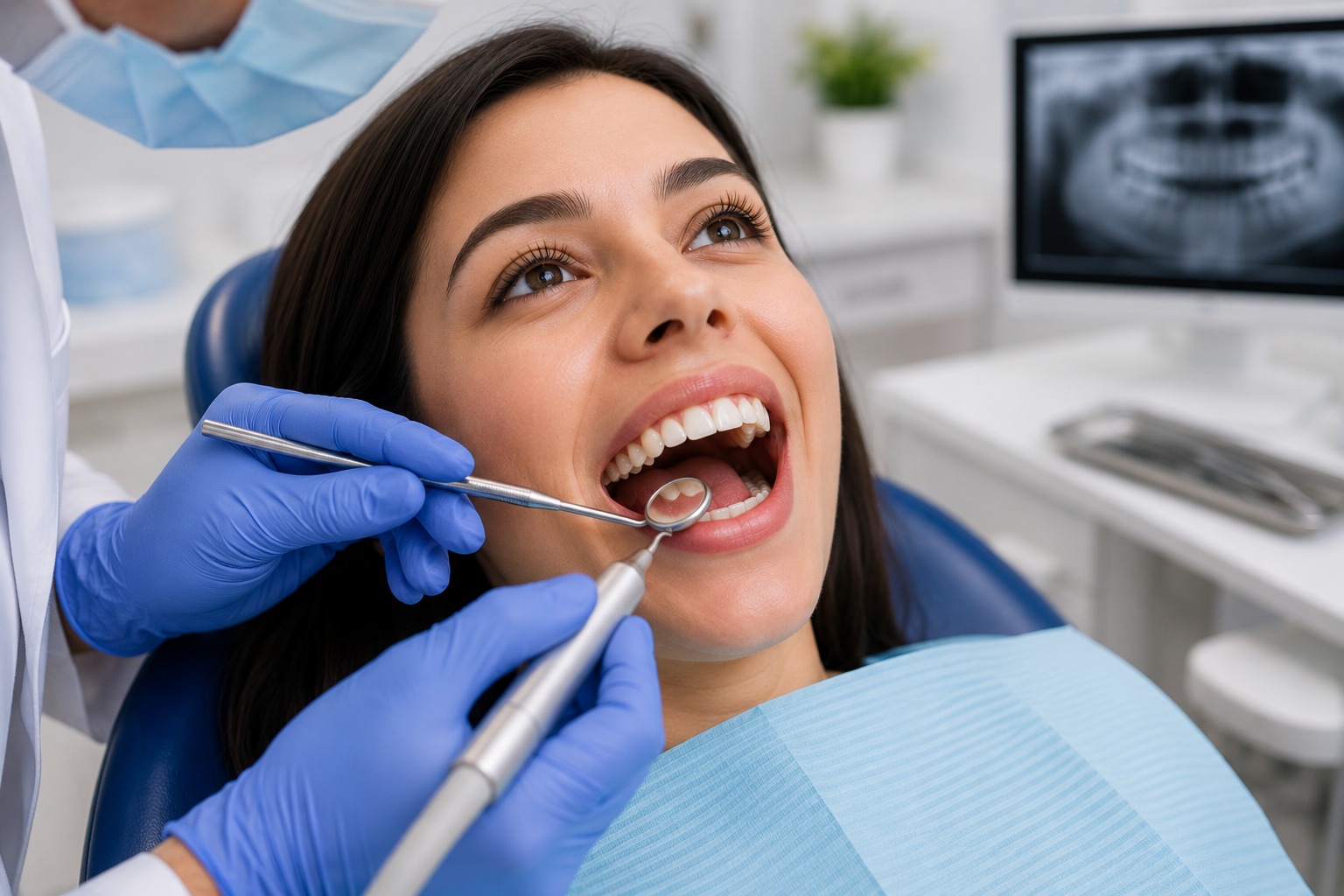
Understanding Professional Teeth Cleaning & Scaling
Professional teeth cleaning is a fundamental preventive dental procedure focused on removing bacterial deposits that regularly accumulate on teeth and along the gumline. Even with consistent daily brushing and flossing, hard-to-reach surfaces, tight contacts between teeth, and deep natural crevices often harbor bacteria that gradually harden over time.
During a professional cleaning appointment, dental professionals utilize specialized instruments to dislodge calcified deposits safely and polish tooth surfaces. This routine care supports healthy gum attachment, reduces harmful oral bacterial loads, and helps prevent everyday dental problems from advancing into complex conditions.
Professional scaling is part of preventive dental healthcare. It works hand-in-hand with daily home care and routine clinical examinations to keep your natural teeth and gums in optimal long-term condition.
Plaque Removal
Clears active bacterial biofilms from tooth surfaces to reduce acid exposure and gum irritation.
Calculus Clearance
Safely removes hardened mineralized tartar that ordinary toothbrushes cannot dislodge.
Gum Health Check
Provides an opportunity to assess gum tissue margins and detect early changes in oral health.
Plaque vs. Tartar: How Oral Deposits Form
Understanding the biological difference between soft plaque and hardened tartar explains why professional dental instruments are periodically required.
Dental Plaque (Soft Biofilm)
Plaque is a soft, sticky, virtually colorless film of bacteria that forms continuously on tooth surfaces. These bacteria feed on sugars and carbohydrates from food and produce acids that can erode enamel and irritate gum tissue.
Soft and removable at home with thorough, twice-daily brushing and daily flossing.
Dental Calculus (Hardened Tartar)
Over time, soft plaque absorbs minerals naturally present in saliva and gradually hardens into calculus (tartar). Once hardened, tartar binds firmly to tooth and root surfaces, creating a porous texture that cannot be removed through ordinary home brushing alone.
Calcified and bonded to tooth structure; cannot be removed by home brushing and requires clinical scaling.
Why Professional Scaling Is Essential for Oral Health
Allowing mineralized deposits to accumulate on teeth creates a persistent reservoir of bacteria adjacent to delicate gum tissues. Professional scaling provides multiple direct oral health benefits:
Reduces Gum Irritation
Removes rough bacterial deposits that cause gum margins to become red, inflamed, or prone to bleeding.
Freshens Breath
Eliminates chronic bacterial colonies that produce volatile sulfur compounds responsible for persistent halitosis.
Removes Surface Stains
Clears extrinsic dark discoloration caused by coffee, tea, colored foods, and lifestyle factors.
Protects Tooth Foundations
Preventing bacterial buildup helps protect the periodontal ligament and alveolar bone supporting your teeth.
Early Clinical Detection
Clean tooth surfaces give your dentist an unobstructed view to spot early decay, erosion, or cracks.
Supports Overall Well-Being
Managing chronic oral inflammation contributes positively to broader systemic health and daily comfort.
Scaling vs. Polishing: Understanding the Difference
A standard professional cleaning appointment often includes both scaling and polishing. While they complement each other, they perform distinctly different clinical tasks:
Step 1: Dental Scaling
Scaling is the therapeutic removal of plaque, hardened tartar, and bacterial toxins from tooth crowns and, when clinically indicated, below the gumline. Dentists use carefully calibrated hand or mechanical instruments that dislodge mineralized deposits without removing healthy enamel.
- Primary focus: Calculus and deposit removal
- Addresses active biological irritants
Step 2: Dental Polishing
Polishing is a finishing procedure where a soft rotating rubber cup and a mildly abrasive prophylaxis paste are used to smooth superficial micro-roughness on the enamel and remove lingering extrinsic stains from tea, coffee, or foods.
- Primary focus: Smoothing and surface stain cleanup
- Leaves enamel feeling clean and smooth
Protecting Gum Health: Gingivitis and Periodontitis
The primary motivation for regular dental scaling is the preservation of healthy gum tissue and supporting bone. Understanding the two stages of gum disease highlights why early care matters:
Gingivitis (Early Gum Inflammation)
Gingivitis is a superficial inflammation of the gum margins caused by bacterial plaque and tartar accumulation. Common indicators include gums that appear red, swollen, or bleed gently during brushing and flossing.
Because gingivitis has not yet caused loss of supporting bone, early gum inflammation is usually reversible with effective plaque control, consistent home hygiene, and appropriate professional dental care.
Periodontitis (Advanced Gum Disease)
If calculus and plaque remain below the gumline over long periods, chronic bacterial inflammation can gradually weaken the periodontal ligament and erode the supporting alveolar bone. This leads to the formation of periodontal pockets, gum recession, and potential tooth loosening.
While not every case of gingivitis inevitably progresses to periodontitis, managing bacterial deposits is essential to protect gum attachments. Advanced gum inflammation may benefit from adjunct laser dentistry to help reduce deep pocket bacteria alongside specialized periodontal care.
What to Expect During Your Teeth Cleaning Appointment
A routine cleaning appointment at Complete Dental Clinic is straightforward, structured, and focused on patient comfort. Here is what happens during a typical visit:
Oral Examination
Your dentist checks your teeth and gums, evaluates tartar distribution, and identifies areas that may require special attention.
Careful Scaling
Specialized dental instruments gently dislodge calcified tartar from tooth surfaces and around gum margins.
Gentle Polishing
When clinically appropriate, tooth surfaces are polished with a mild paste to smooth enamel and remove light extrinsic stains.
Personalized Guidance
Your dentist offers practical advice on brushing technique, interdental flossing, and a personalized recall timeline.
Does Scaling Damage Enamel or Loosen Teeth?
Misconceptions about teeth cleaning sometimes cause patients to delay necessary care. Here is what dental science actually says:
Myth 1: "Scaling scrapes away or thins tooth enamel."
Fact: Properly performed professional scaling does not intentionally cut or remove healthy tooth enamel. Enamel is the hardest biological substance in the human body. Dental scaling instruments are precisely angled to target and dislodge external calcified deposits without wearing away your natural enamel structure.
Myth 2: "Cleaning causes teeth to become loose."
Fact: Professional scaling does not cause teeth to become loose. In cases of significant calculus buildup and pre-existing gum disease, chronic inflammation and supporting bone loss may already be present beneath the deposits. When heavy tartar is cleared away, underlying tooth mobility may become more noticeable to the patient. Removing calculus is necessary to control ongoing infection, and an individual dental assessment is recommended to evaluate the tooth's stability and long-term prognosis.
Myth 3: "Scaling creates artificial gaps between teeth."
Fact: Scaling does not create new spaces. Over time, thick tartar deposits often accumulate between lower front teeth, filling natural gaps and causing surrounding gums to swell. When the tartar is cleared and inflamed gums return to a healthy contour, patients feel their natural spacing, which was previously blocked by hardened calculus.
Sensitivity and What to Expect After Cleaning
It is completely normal to notice mild sensations after a thorough dental scaling, especially if deposits were extensive or if gums were slightly inflamed:
Temporary Temperature Sensitivity: Tooth necks and roots previously covered by tartar deposits may feel sensitive to cold air or chilled beverages. This temporary sensitivity is a common response as tissues adjust, and its duration varies between individuals.
Mild Gum Tenderness: Gums that were inflamed from bacterial deposits may feel slightly tender following cleaning. Gentle brushing and following your dentist's aftercare guidance help soothe the tissue as it recovers.
When to Seek Advice: Sensations are typically mild and gradually ease. However, if sensitivity is severe, persistent, or concerning, or if pain or swelling develops, you should contact your dentist for an evaluation.
Temporary Response
Mild sensitivity is common and duration varies as gum margins adjust.
Comfort Measures
Desensitizing toothpaste and gentle brushing can provide soothing daily relief.
Dentist Consultation
Always consult your dental team if any unusual discomfort persists.
Aftercare and Daily Oral Hygiene Guidelines
Professional cleaning gives your teeth a fresh, clean start. Following these practical daily habits helps maintain clean tooth surfaces and healthy gums:
Gentle, Twice-Daily Brushing
Brush for two full minutes twice every day using a soft-bristled toothbrush and fluoride toothpaste. Avoid aggressive scrubbing, which can irritate sensitive gums.
Daily Interdental Cleaning
Clean between your teeth daily using dental floss or interdental brushes. Brushing alone leaves approximately one-third of tooth surfaces uncleaned.
Desensitizing Toothpaste If Needed
If you experience mild post-cleaning sensitivity, brushing with a desensitizing toothpaste recommended by your dentist can help calm nerve endings.
Balanced Diet & Hydration
Drink plenty of water and limit frequent sugary snacks. Saliva is your natural defense against bacterial acids, and staying hydrated supports oral balance.
How Often Should You Have Your Teeth Cleaned?
Cleaning frequency is not identical for every individual. While many patients maintain healthy gums with professional cleanings scheduled every six months, optimal recall intervals depend on your specific oral health, tartar formation rate, and personal risk factors.
Individual Factors That Influence Frequency:
- Gum Health & Periodontal History: Individuals with active gum inflammation, deeper pockets, or past periodontal concerns often benefit from more frequent personalized monitoring.
- Rate of Calculus Accumulation: Salivary mineral levels vary naturally between individuals, meaning some people form hard tartar faster than others.
- Orthodontic Braces or Aligners: Fixed appliances and attachments create additional areas where plaque can gather, benefiting from regular clinical checks.
- Medical & Dental History: Factors such as smoking, diabetes, or dry mouth can influence oral health and guide individualized cleaning intervals.
Your dentist will evaluate your unique oral condition and recommend a recall schedule best suited to protect your teeth and gums.
Professional Teeth Cleaning in Pathirippala, Palakkad
Complete Dental Clinic provides gentle, preventive dental care for patients of all ages in Pathirippala and surrounding communities across Palakkad district. We focus on patient comfort, clear explanations, and thorough preventive care that supports lasting gum health.
Our clinic is conveniently located at 1st Floor, Maimoon Square, opposite South Indian Bank, Pathirippala, Kerala 678642. We welcome patients from Pathirippala, Mankara, Parali, Ottapalam, and nearby towns, offering routine checkups, scaling, and personalized oral health advice.
Related Dental Services at Complete Dental Clinic
Professional teeth cleaning forms the preventive foundation for all other dental treatments:
Teeth Whitening
Cosmetic whitening procedures designed to lighten intrinsic tooth color after teeth are professionally cleaned.
General Dentistry
Comprehensive dental examinations, tooth-colored fillings, and restorative care for healthy teeth.
Pediatric Dentistry
Gentle, child-friendly checkups, cavity prevention, and habit guidance for growing smiles.
Digital Dental X-Ray
Low-radiation imaging to assess tooth roots, bone levels, and areas not easily visible during a clinical examination.
Frequently Asked Questions About Teeth Cleaning
Clear, evidence-conscious answers to common questions about teeth cleaning and scaling:
What is teeth scaling and cleaning?
Teeth scaling and cleaning is a routine preventive dental procedure performed to remove plaque—a sticky bacterial film—and hardened tartar (calculus) from tooth surfaces and along the gumline. While daily brushing and flossing are essential, mineralized tartar cannot be removed with a standard toothbrush and requires professional dental instruments.
Does professional scaling damage tooth enamel?
No. Properly performed dental scaling is designed to remove external deposits such as plaque and tartar without harming the underlying enamel. Dental instruments are carefully applied to dislodge calcified deposits from tooth surfaces without intentionally removing healthy enamel structure.
Does teeth cleaning make teeth loose?
Teeth cleaning itself does not cause teeth to become loose. In cases of significant tartar accumulation or advanced gum disease (periodontitis), supporting bone loss may already exist beneath the deposits. When heavy tartar is removed, pre-existing mobility may become more noticeable. Removing these deposits is necessary to control ongoing infection, and an individual dental assessment will determine the best management for the tooth.
Does scaling create gaps between teeth?
Scaling does not create new spaces between your teeth. When hardened calculus accumulates over long periods, it often fills the natural triangular spaces between teeth and inflames the gum tissue. Once these calcified deposits are cleaned away and swollen gums heal, patients may feel the natural spaces that were previously occupied by tartar.
Is teeth cleaning painful?
Most patients experience minimal discomfort during routine teeth cleaning. Sensations can vary depending on individual sensitivity, the extent of tartar buildup, and the health of your gums. If you have sensitive teeth or tender gums, your dentist can discuss suitable comfort measures or use gentle techniques to help keep you comfortable throughout the procedure.
Can teeth become sensitive after scaling?
It is normal to experience temporary sensitivity to cold foods, drinks, or air after scaling. This occurs because tooth surfaces and roots previously covered by tartar are newly exposed to the mouth environment. The duration of this sensation varies between individuals and typically subsides as the gums settle. If sensitivity is severe, persistent, or concerning, consult your dentist for guidance.
How often should I get professional teeth cleaning?
The recommended cleaning interval depends on your individual gum health, the rate of plaque and tartar accumulation, and personal oral risk factors. While many patients benefit from a cleaning every six months, individuals with active gum conditions, orthodontic appliances, or heavy calculus buildup may be advised to visit more frequently. Your dentist will recommend a schedule tailored to your oral health.
What is the difference between scaling and polishing?
Scaling is the clinical process of removing plaque, hardened calculus, and bacterial deposits from the crowns and roots of teeth. Polishing is a finishing step using a mild prophylactic paste to smooth tooth surfaces and remove light extrinsic surface stains from food and drinks. Polishing leaves teeth feeling clean and smooth, but it does not replace scaling or prevent future plaque formation.
Keep Your Smile Clean and Healthy
Ready to schedule your professional teeth cleaning and scaling in Pathirippala, Palakkad? Contact Complete Dental Clinic today to discuss your oral hygiene and preventive dental care.