
Pediatric Dentistry in Pathirippala
Gentle, child-friendly dental care in Pathirippala, Palakkad. At Complete Dental Clinic, we focus on preventive dentistry, early cavity protection, and building positive dental habits to support your child's healthy growing smile in a calm, welcoming environment.
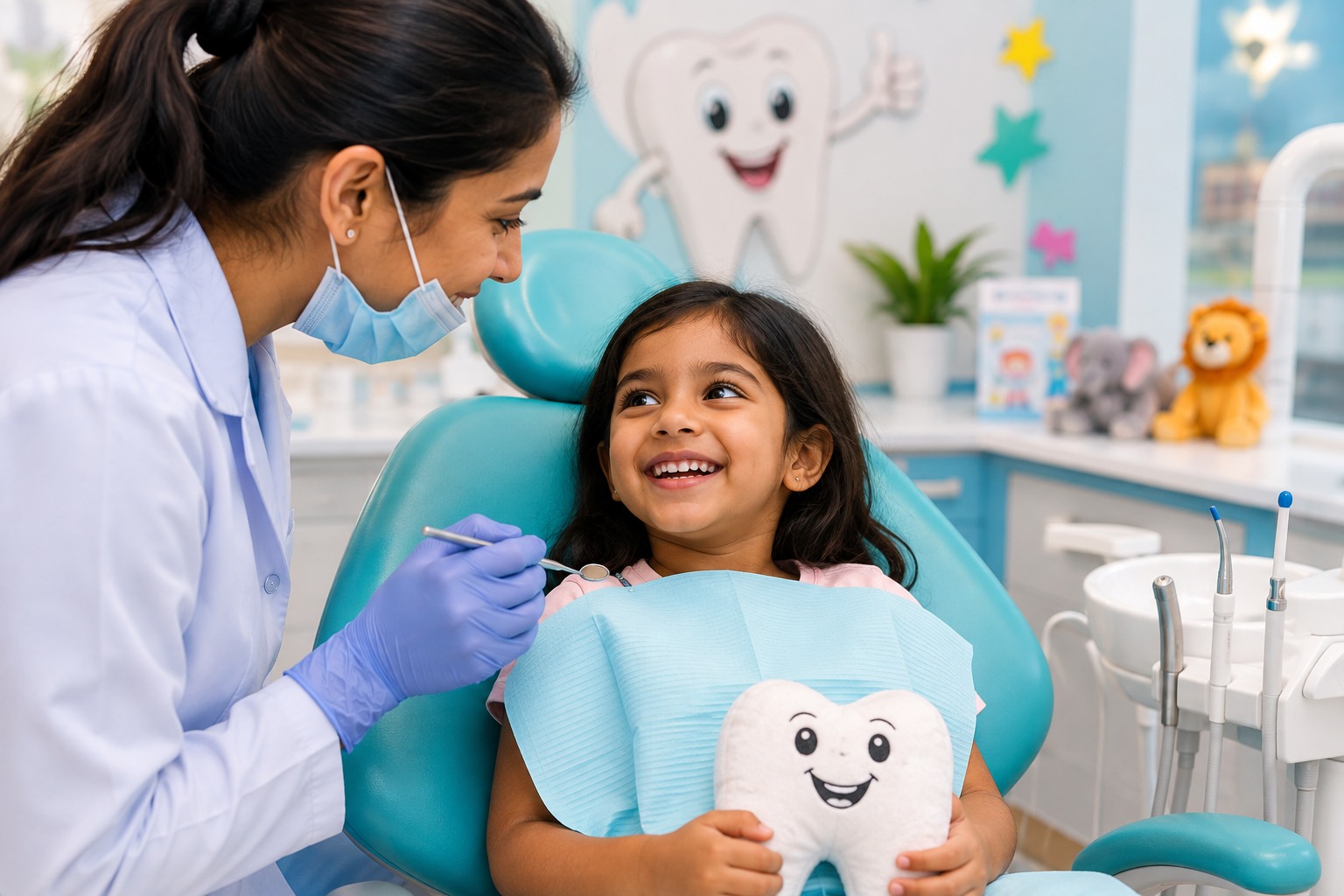
Why Early Dental Care Matters for Growing Children
A child's oral health journey begins long before permanent teeth appear. International pediatric dental guidelines recommend that a child have their first dental visit by their first birthday or within six months of the first tooth erupting. Early visits give parents practical guidance on teething, feeding habits, and gentle home cleaning while helping children feel comfortable visiting the dentist.
A common misconception is that baby teeth do not matter because they eventually fall out. In reality, primary teeth serve three essential purposes: they allow children to chew food comfortably, aid in proper speech development, and act as natural space guides for developing permanent teeth.
When primary teeth develop cavities or are lost prematurely, neighboring teeth can drift into the empty space, increasing the likelihood of tooth crowding and bite alignment issues later in life. Regular early dental visits focus on prevention, keeping baby teeth healthy and strong until they shed naturally.
Space Holders
Baby teeth guide permanent teeth into correct positions as the jaw grows.
Speech & Nutrition
Healthy primary teeth allow children to chew well and pronounce words clearly.
Positive Habits
Early, stress-free dental visits help children build confidence and positive oral habits.
Childhood Dental Concerns We Monitor
Children experience unique oral health stages as their teeth and jaws develop. Here are common situations parents frequently bring to our attention:
Early Tooth Decay
Enamel on baby teeth is thinner than adult enamel, making teeth more susceptible to cavities from frequent sugary snacks or nighttime milk bottles.
Prolonged Sucking Habits
Persistent thumb-sucking or pacifier use beyond age three can gradually influence palate shape and front tooth alignment.
Premature Tooth Loss
When a primary tooth is lost early due to deep decay or trauma, adjacent teeth may tilt, potentially blocking the incoming adult tooth.
Tooth Sensitivity & Pain
Discomfort when chewing or drinking cold liquids can signal early enamel erosion, emerging cavities, or gum inflammation.
Delayed or Crowded Eruption
Monitoring how baby teeth loosen and permanent teeth emerge allows timely identification of crowding or space shortages.
Chipped or Injured Teeth
Toddler falls and sports activities can sometimes cause chipped or loosened teeth requiring prompt, gentle dental evaluation.
Preventive Dental Care Options for Children
Preventive care is the cornerstone of children's oral health. By protecting teeth before problems develop, children can avoid uncomfortable toothaches and complex procedures later on. Common preventive options that dentists may discuss with parents based on an individual child's needs include:
Dental Sealants
Dental sealants are thin, protective coatings applied to the deep chewing grooves of back molars. Sealants smooth out narrow pits where food easily traps, offering an effective option to help lower the risk of decay during cavity-prone childhood years.
Topical Fluoride Application
When clinically appropriate based on a child's individual cavity risk, professional fluoride applications can help strengthen tooth enamel and make teeth more resistant to acid from oral bacteria.
Professional Teeth Cleaning
Careful removal of plaque buildup helps protect gums and maintain fresh, healthy teeth. Learn more about professional teeth cleaning options.
Space Maintainers
If a primary tooth is lost prematurely due to decay or injury, a dentist can evaluate whether a space maintainer is suitable to hold the gap open, preventing adjacent teeth from tilting and reserving room for the permanent tooth.
What to Expect During Your Child's Dental Visit
A child's first visit is designed to be gentle, positive, and informative. Many dental professionals utilize a reassuring "Tell-Show-Do" approach: explaining each step in simple, friendly language, showing any instruments in a non-threatening manner, and then proceeding calmly with the examination so the child feels relaxed and secure.
During the checkup, the dentist gently examines your child's teeth, gums, and jaw development. The dentist checks for early signs of cavities, evaluates bite alignment, and answers any questions you have regarding teething, feeding habits, or daily oral care at home.
Friendly Welcome
Allowing your child time to explore the surroundings and feel calm and comfortable in the clinic setting.
Gentle Examination
Counting teeth, checking gum health, and observing jaw growth in a lighthearted, reassuring atmosphere.
Gentle Cleaning (If Indicated)
If the child is cooperative and when clinically appropriate, the dentist may gently clean surface plaque.
Parent Discussion
Discussing age-appropriate brushing habits, nutrition tips, and recommending a personalized follow-up schedule.
Tips for Preparing Your Child for Dental Visits
How parents talk about the dentist shapes how children feel about their appointments. These simple tips help set a positive tone:
Use Positive Framing
Describe the dentist as a friendly helper who counts teeth and keeps them clean and shiny. Reading picture books or playing pretend dentist at home helps normalize the experience.
Avoid Trigger Words
Avoid phrases like "it won't hurt" or "no needles," as these inadvertently create worry. Let the dental team introduce instruments using child-friendly descriptions.
Schedule Morning Visits
Young children are typically freshest and most cooperative in the morning after a good night's rest and a healthy breakfast.
Never Use Dental Visits as Threats
Never threaten children with dental visits or injections for poor behavior or eating sweets, as this creates fear and negative associations.
Home Oral Hygiene Guidelines by Age
Children's dental needs evolve as they grow. Here are practical brushing and fluoride guidelines recommended by pediatric dental authorities:
Caring for Gums and First Teeth
Before teeth appear, gently wipe your baby's gums with a clean, damp cloth after feedings. As soon as the first tooth emerges, begin brushing twice daily using an infant toothbrush with soft bristles. Avoid putting your baby to bed with a bottle containing milk, formula, or sweetened liquids.
Rice-Grain Toothpaste Amount
Brush your child's teeth twice daily using a rice-grain-sized smear of fluoride toothpaste. A parent should perform the brushing, gently cleaning all tooth surfaces and encouraging the child to spit out excess toothpaste.
Pea-Sized Toothpaste Amount
Use a pea-sized amount of fluoride toothpaste. Children can practice brushing, but adult supervision and assistance remain essential to ensure all surfaces are reached thoroughly and toothpaste is not swallowed.
Supervised Brushing & Flossing
As permanent molars emerge, teach your child to brush for two full minutes twice daily. Introduce gentle flossing once teeth fit tightly together. Adult supervision is recommended until children demonstrate reliable brushing technique and dexterity (usually around age 7–8).
Childhood Dental Emergencies: What Parents Should Know
Children are active, and dental accidents can occur during play or sports. Knowing how to respond calmly and quickly can make a significant difference:
Knocked-Out Permanent Tooth
This is a time-sensitive dental emergency. Handle the tooth only by its crown (the chewing part) and avoid touching or scrubbing the root. If appropriate and easy, gently place the tooth back into its socket without forcing it. If reinsertion is not possible, store the tooth in cold milk while seeking immediate dental attention.
Knocked-Out Baby Tooth
Never replant a knocked-out baby tooth. Attempting to reinsert a baby tooth can damage the developing permanent tooth underneath. Contact your dentist promptly for an evaluation to check the surrounding gums and ensure proper healing.
Chipped or Fractured Tooth
Gently rinse your child's mouth with lukewarm water. If you can locate the broken tooth fragment, store it in clean milk and bring it to the dental clinic for prompt professional assessment.
Sudden Toothache or Swelling
Rinse with warm water and check for food trapped between teeth using dental floss. Never place aspirin or pain medication directly on the gums. Seek prompt dental evaluation if facial swelling, fever, or persistent pain occurs.
When Should Parents Schedule an Appointment?
In addition to scheduling regular dental checkups at intervals recommended by your child's dentist, parents should seek prompt dental advice if they notice any of the following signs:
Pediatric Dentistry in Pathirippala, Palakkad
Complete Dental Clinic provides friendly, patient-focused dental care for babies, children, and teenagers in Pathirippala and surrounding communities across Palakkad district. We understand that children need time, patience, and clear, reassuring communication to feel secure in the dental chair.
Our clinic is conveniently located at 1st Floor, Maimoon Square, opposite South Indian Bank, Pathirippala, Kerala 678642. We welcome families from Pathirippala, Mankara, Parali, Ottapalam, and neighboring towns, offering preventive examinations, cavity care, and practical hygiene advice tailored to your child's age and comfort level.
Related Dental Services at Complete Dental Clinic
Children's oral health connects with general preventive and developmental care:
Teeth Cleaning & Polishing
Gentle scaling and polishing to remove plaque buildup, protect gums, and support clean, healthy teeth.
Braces & Orthodontics
Early orthodontic evaluations to monitor jaw growth, spacing, and tooth alignment as adult teeth emerge.
Digital Dental X-Ray
Low-radiation digital imaging to check tooth eruption, root development, and detect hidden cavities between teeth.
General Dentistry
Comprehensive dental check-ups, tooth fillings, and family dental care for long-term oral health.
Frequently Asked Questions About Pediatric Dentistry
Clear, helpful answers to common questions parents have about children's dental care:
When should my child have their first dental visit?
Dental organizations worldwide recommend that a child have their first dental visit by age one or within six months of their first tooth erupting. Early visits allow your dentist to check normal jaw growth, discuss baby tooth care, and help your child become comfortable in a dental clinic setting.
Why are baby teeth so important if they will fall out anyway?
Baby teeth (primary teeth) play vital roles in your child's speech development, comfortable chewing, and facial growth. They also act as natural space holders that guide permanent teeth into proper alignment. Untreated decay in baby teeth can cause pain and may affect the developing adult teeth underneath.
How much toothpaste should my child use?
For children under three years old, use a tiny smear of fluoride toothpaste roughly the size of a grain of rice. For children aged three to six, use a pea-sized amount. Always supervise brushing to ensure your child brushes gently and spits out the excess toothpaste rather than swallowing it.
What are dental sealants and how do they protect teeth?
Dental sealants are thin, protective coatings applied to the deep chewing grooves of back teeth (molars). They create a smooth barrier that keeps food particles and bacteria from getting trapped in narrow crevices, helping to lower the risk of tooth decay during cavity-prone childhood years.
How can I prevent tooth decay in babies and toddlers?
Never put your baby to bed with a bottle containing milk, formula, juice, or sweetened liquids, as prolonged exposure can lead to early childhood tooth decay. Clean your baby's gums with a soft damp cloth after feedings, start brushing as soon as the first tooth appears, and encourage healthy drinking habits with a cup by their first birthday.
What should I do if my child knocks out a tooth?
If it is a permanent tooth, seek immediate dental care. Handle the tooth only by the crown (top part), avoid touching the root, and if immediate reinsertion is not possible, place the tooth in cold milk while traveling to the clinic. If it is a baby tooth, do not try to put it back in, as this can damage the developing adult tooth below; contact your dentist promptly for an evaluation.
What is a space maintainer and when is it needed?
If a child loses a primary tooth prematurely due to injury or deep decay, surrounding teeth may tilt into the open gap. A space maintainer is a small custom dental appliance that keeps the space open until the permanent adult tooth is ready to emerge normally.
How can I prepare my child for their dental appointment?
Talk about the dental visit in a calm, cheerful manner, explaining that the dentist will count and clean their teeth. Avoid using words that might create anxiety, such as 'pain', 'shot', or 'drill', and never use dental visits as a threat for poor behavior. Morning appointments often work best when young children are well-rested.
Support Your Child's Healthy Growing Smile
Ready to schedule a comfortable, child-friendly dental checkup in Pathirippala, Palakkad? Contact Complete Dental Clinic today to discuss your child's dental milestones and preventive care.