Braces & Orthodontic Treatment in Pathirippala
Achieving a healthy, well-aligned smile begins with an accurate understanding of your teeth and bite relationship. Complete Dental Clinic offers personalized orthodontic and teeth alignment care for children, teenagers, and adults in Pathirippala. Our focus is on supporting healthy dental function, balanced bite relationships, and a confident smile through gentle, modern treatment approaches.
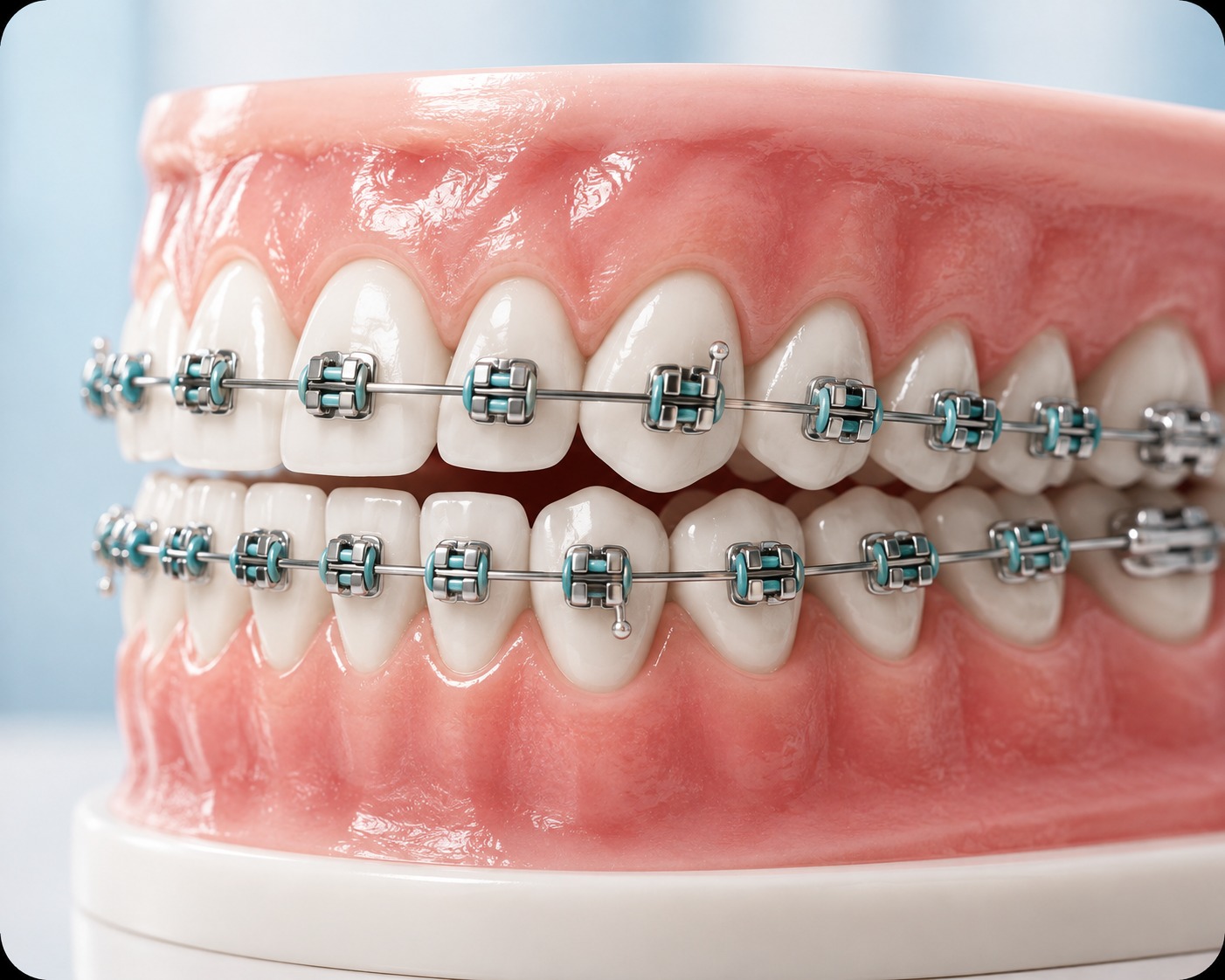
Understanding Orthodontic Treatment & Dental Braces
Orthodontics is the dedicated branch of dental medicine focused on diagnosing, preventing, and correcting irregularities in tooth position, dental arches, and jaw alignment.
Precision Tooth Guidance
Dental braces apply steady, gentle mechanical forces to guide crooked, rotated, or tilted teeth into orderly, anatomically balanced positions over time.
Functional Bite Harmony
Orthodontic treatment aims to coordinate how your upper and lower dental arches meet. This helps support balanced chewing force distribution and promotes more comfortable bite contact.
Better Hygiene Access
Well-aligned teeth are generally easier to clean than crowded or overlapping teeth, making routine brushing and flossing more effective for maintaining healthy gums.
Why Proper Teeth Alignment Matters
While a straighter smile is often desired for aesthetic reasons, improving alignment also contributes positively to everyday oral function and preventative dental care.
Balanced Chewing Contact
When teeth meet in an aligned bite, chewing forces are distributed more evenly across the dental arches. Addressing noticeable bite irregularities can help support efficient chewing and overall dental comfort.
Simplified Plaque Control
Crowded, overlapping, or rotated teeth create narrow spaces where plaque can easily accumulate. Straightening teeth provides better brush and floss access, supporting long-term gum health.
Smile Harmony & Lip Support
Dental arches provide natural underlying support for the lips and facial profile. Proper alignment helps create a balanced smile contour and supports natural lip rest posture.
Common Teeth Alignment Problems We Evaluate
Dental malocclusions vary in complexity from simple cosmetic crowding to multi-directional bite misalignments. A comprehensive clinical evaluation identifies your specific tooth and jaw relationship.
Dental Crowding
Happens when there is inadequate arch space for teeth to erupt normally, causing them to twist, overlap, or sit behind one another.
Spacing & Gaps (Diastema)
Excess space in the dental arch leads to noticeable gaps between teeth, often caused by small tooth dimensions, missing teeth, or habits.
Overbite (Deep Bite)
When upper front teeth vertically cover lower teeth excessively, sometimes causing lower teeth to bite into the delicate palatal tissue.
Underbite
Occurs when lower front teeth extend beyond the upper front teeth, often related to jaw discrepancies and affecting chewing efficiency.
Crossbite
One or more upper teeth bite on the inside of the lower dental arch, which can cause asymmetric jaw strain and localized enamel wear.
Open Bite
When upper and lower anterior teeth do not touch when the back teeth are fully closed, creating difficulty with biting into foods.
How Braces Work: The Science of Tooth Movement
Tooth movement is not a forceful push; it is an organic cellular remodeling process stimulated by continuous, calibrated physiological forces.
Brackets as Handles
Small, precision brackets bonded to each tooth act as anchor points, holding the archwire and transferring directionally guided forces.
The Flexible Archwire
A resilient orthodontic wire is secured through the brackets. As it tries to return to its ideal curved shape, it exerts gentle tension.
Bone Remodeling
Under light tension, the body naturally dissolves bone on the pressure side while rebuilding new supportive bone on the tension side.
Progressive Adjustments
Periodic adjustment appointments maintain gentle, active guidance until your dental arch reaches its target position and bite harmony.
Types of Braces & Teeth Straightening Options
Modern orthodontic solutions cater to diverse lifestyle needs, aesthetic preferences, and clinical requirements.
Traditional Metal Braces
Engineered from high-grade medical stainless steel, traditional metal braces remain the most versatile and durable orthodontic treatment. They provide optimal mechanical control for resolving severe dental crowding, rotations, and complex bite issues.
- Extremely sturdy and reliable
- Ideal for complex tooth movements
- Customizable with colored ligatures
Ceramic (Tooth-Colored) Braces
Ceramic braces function just like metal braces but feature translucent, tooth-colored ceramic brackets that blend in naturally with your enamel. They offer a less noticeable look, making them popular among working professionals and older teens. Specific appliance suitability and availability are evaluated during consultation.
- Subtle and aesthetically pleasing
- Same precise control as metal brackets
- Blends with natural tooth color
Clear Aligners
Clear aligners are custom-crafted transparent plastic trays that gradually shift teeth without bonded brackets or wires. They are removable for eating and daily oral hygiene. Suitability depends on an individual clinical assessment and case complexity.
- Discreet, transparent appearance
- Removable for meals and oral hygiene
- Requires consistent daily wear compliance
Who May Benefit from Orthodontic Treatment?
Orthodontic timing is guided by individual dental development and clinical needs rather than an arbitrary age cutoff.
Children (Developing Dentition)
Coordinated with routine pediatric dentistry, an early orthodontic check allows the dental practitioner to evaluate jaw development, observe the eruption of permanent teeth, and identify emerging alignment or spacing concerns as the child grows.
Teenagers (Comprehensive Phase)
The teenage years are a common time for braces because most permanent teeth have erupted. Treatment plans are customized based on individual dental alignment and ongoing growth.
Braces for Adults
As long as the gums and supporting bone are healthy, teeth can be successfully aligned at any stage of adult life. Many adults choose treatment to address long-standing crowding or relapsed alignment.
Your Orthodontic Treatment Journey
A structured, step-by-step approach ensures you feel informed, comfortable, and confident from your first consultation through retainer care.
Comprehensive Clinical Assessment
Your dentist examines your teeth, gums, and bite relationship. Diagnostic records, including dental photographs, study impressions or digital scans, and radiographs, are gathered to evaluate root positioning and jaw harmony.
Personalized Treatment Planning
Using your diagnostic data, a customized orthodontic roadmap is created. We discuss suitable appliance options based on clinical evaluation and explain estimated treatment timelines and daily care needs.
Careful Bracket Bonding
Enamel surfaces are cleansed and prepared. Brackets are carefully bonded to each tooth with dental-grade adhesive, and the first flexible archwire is secured to begin gentle, controlled tooth movement.
Periodic Adjustment Visits
You visit the clinic for periodic adjustment appointments scheduled according to your personalized treatment plan, allowing the dental team to evaluate progress and make necessary adjustments.
Debonding & Custom Retainer Delivery
Once target tooth alignment is achieved, brackets are gently removed and teeth are polished. Custom retainers are provided to help hold teeth in their corrected positions as surrounding bone and gum tissues stabilize.
Living Comfortably with Dental Braces
Adapting to braces is straightforward with a few mindful habits regarding oral hygiene, diet, and minor appliance care.
Navigating the Initial Adjustment Period
When braces are first fitted or adjusted, mild tooth tenderness when chewing is normal as periodontal tissues respond to gentle pressure. Here is how to stay comfortable:
Temporary Tenderness
Chewing soreness usually peaks in 24–48 hours and fades within a few days as tissues adapt to light forces.
Soft Food Diet
Enjoy soft options such as soft-cooked rice, idli, soups, yogurt, boiled lentils, and smoothies to minimize chewing strain.
Orthodontic Relief Wax
Roll a small pea-sized ball of relief wax between fingers and press it over any bracket creating friction against your lips or cheek.
Warm Saline Rinses
Rinsing with warm salt water soothes mild oral irritation. If discomfort is severe or persistent, contact the clinic.
Brushing & Flossing with Braces
Brackets create small spaces where food particles collect. Maintaining meticulous daily hygiene prevents enamel demineralization and gum inflammation.
- After-Meal Brushing: Brush thoroughly after every meal using a soft-bristled brush angled above and below brackets.
- Interdental Brushes: Use slim proxy brushes to slide gently under archwires and remove plaque around brackets.
- Flossing Aids: Floss threaders or water flossers clean between teeth where standard toothbrushes cannot reach.
Foods to Avoid & Mindful Habits
Protecting your brackets and archwires prevents accidental breaks, helping keep your treatment timeline on schedule.
- Avoid Hard Foods: Chewing ice, whole nuts, and hard candies can snap brackets off enamel surfaces.
- Avoid Sticky Items: Chewing gum, caramel, and toffee can tangle in archwires and pull attachments loose.
- Modify Biting Habits: Cut whole apples and raw carrots into thin slices instead of biting directly with front teeth.
Handling Minor Braces Concerns Safely
If a small issue arises between appointments, here is what you can do safely before visiting Complete Dental Clinic:
Loose Bracket
A detached bracket usually remains threaded on the wire. Apply a small dab of wax if it rotates or rubs, and call us to schedule rebonding.
Poking Wire Tip
Press a small ball of orthodontic wax over the sharp end. Never attempt to clip or cut wires at home with scissors or nail clippers; let our team trim it safely.
Detached Elastic Ring
A lost ligature ring is not an urgent emergency. Continue your normal hygiene and notify the clinic so we can replace it at your visit.
Why Retainers Are Essential After Braces
Completing your active braces treatment is an important milestone. Wearing a retainer as advised helps maintain teeth in their corrected positions and significantly reduces the risk of orthodontic relapse.
Understanding Orthodontic Relapse
After brackets are removed, the surrounding alveolar bone and periodontal fibers require time to stabilize and consolidate around your teeth in their new positions. Without retention, natural chewing forces and the elasticity of gum fibers can cause teeth to gradually drift back—a process known as orthodontic relapse.
Wearing your retainer exactly as prescribed protects the time, effort, and investment you placed into your orthodontic journey.
Retainer Types & Wear Schedule
Because every dental structure stabilizes differently, the choice of retainer and your recommended wearing schedule are determined by your treating orthodontist or dental practitioner. Common retainer approaches include:
Removable Retainers
Custom-fitted removable trays or wire appliances worn according to the individualized schedule advised by your practitioner.
Fixed Lingual Retainers
A bonded wire positioned discreetly behind the front teeth to provide continuous support where clinically indicated.
Fixed Braces vs. Clear Aligners: A Balanced Perspective
Both fixed braces and removable clear aligners are clinically proven methods for straightening teeth. The right choice depends on your clinical malocclusion, aesthetic goals, and daily lifestyle.
Fixed Dental Braces
Because braces are securely bonded to your teeth, they apply steady alignment pressure continuously with no risk of being misplaced or forgotten.
- Continuous alignment forces without daily removal
- Effective for a wide variety of bite and alignment complexities
- Available in metal or aesthetic ceramic options
- Requires careful dietary habits and interdental hygiene
Clear Aligners
Clear aligners use custom-made transparent plastic trays that fit smoothly over teeth, offering discretion and normal eating habits. Suitability depends on individual assessment and treatment complexity.
- Nearly invisible during daily conversation
- Removable for meals, brushing, and flossing
- Requires dedicated 20–22 hour daily wear discipline
- Suitability assessed individually by your practitioner
Related Dental Services
Explore related dental treatments that support your overall oral health, orthodontic preparation, and smile aesthetics.
Clear Aligners
Custom-molded transparent aligners for discreet, removable tooth straightening.
Explore alignersTeeth Cleaning (Scaling)
Professional tartar and plaque removal essential before bracket bonding and throughout orthodontic treatment.
Explore teeth cleaningTooth Extraction
Gentle extractions when clinically required to create essential arch space for severe crowding or impacted teeth.
Explore extractionsCosmetic Dentistry
Aesthetic dental solutions to enhance the shape, color, and symmetry of your teeth after alignment.
Explore cosmetic careDental Implants
Permanent tooth replacement solutions often planned in coordination with orthodontic space redistribution.
Explore implantsGeneral Dentistry
Comprehensive routine dental checkups, cavity fillings, and preventative oral care for the whole family.
Explore general careFrequently Asked Questions About Braces
Find clear answers to common questions about teeth alignment, daily braces care, and orthodontic treatment.
At what age should a child have their first orthodontic evaluation?
Dental guidance often suggests an initial orthodontic evaluation around age 7 or when permanent adult teeth begin to erupt. This allows the dental team to evaluate developing jaw relationships, observe dental arch space, and identify potential alignment considerations early.
Can adults get braces, or is it too late?
It is never too late for orthodontic treatment. As long as your teeth, gums, and supporting alveolar bone are healthy, teeth can be safely aligned at any age. Many adults choose ceramic braces or clear aligners for a discreet, comfortable experience.
Does getting braces or having adjustments hurt?
Bracket bonding does not involve drilling and is generally comfortable for most patients, though having cheek retractors in place for a short time may feel unfamiliar. Over the first few days after placement and following routine adjustments, teeth may feel tender to chewing pressure as they adapt to gentle alignment forces. Soft foods and orthodontic relief wax help manage comfort during this adjustment phase.
Will I need tooth extraction for braces?
Tooth extraction is not necessary for every patient. The clinical decision depends on individual factors such as arch crowding severity, available jaw space, facial balance, and bite mechanics. Modern orthodontics focuses on arch expansion and preserving healthy teeth whenever clinically appropriate, advising extractions only when essential for long-term stability.
How long does braces treatment typically take?
Treatment duration is an individual estimate that depends on factors such as misalignment severity, bite complexity, patient age, and consistency with appointments and care instructions. While many comprehensive treatments take approximately 12 to 24 months, your treating practitioner will provide an individualized estimate following your diagnostic assessment.
What foods should I avoid while wearing braces?
Avoid very hard foods (ice cubes, hard candies, whole nuts) and sticky items (chewing gum, caramel, toffee) that can fracture brackets or bend archwires. Firm fruits like apples and raw carrots should be sliced into thin bite-sized pieces rather than bitten into directly.
What should I do if a bracket comes loose or a wire pokes?
If a bracket loosens, leave it in place on the wire and apply a small dab of relief wax if it rubs your cheek. For a poking wire tip, press wax over the sharp end and call Complete Dental Clinic so we can adjust it safely. Avoid cutting or bending wires with scissors or nail clippers at home.
Why do I need to wear a retainer after braces?
Retainers are essential for helping prevent orthodontic relapse. After active movement is complete, surrounding bone and gum tissues require time to stabilize around the new tooth positions. Your treating orthodontist or dental practitioner determines the most appropriate retainer type and individualized wearing schedule based on your clinical needs.
How often do I need to visit for adjustments?
Adjustment visits are typically scheduled every few weeks according to your personalized treatment plan. These visits allow your practitioner to evaluate progress, make necessary wire adjustments, and ensure tooth movement continues safely and comfortably.
Serving Pathirippala & Surrounding Palakkad Communities
Complete Dental Clinic is centrally located at 1st Floor, Maimoon Square, opposite South Indian Bank, Pathirippala, Kerala 678642. We proudly welcome patients and families from Pathirippala, Ottapalam, Mankara, Parli, and across Palakkad district seeking gentle, comprehensive orthodontic care.
Ready to Discuss Your Smile Alignment?
Contact Complete Dental Clinic in Pathirippala to schedule an orthodontic evaluation and discuss which teeth alignment options may be suitable for your smile goals.